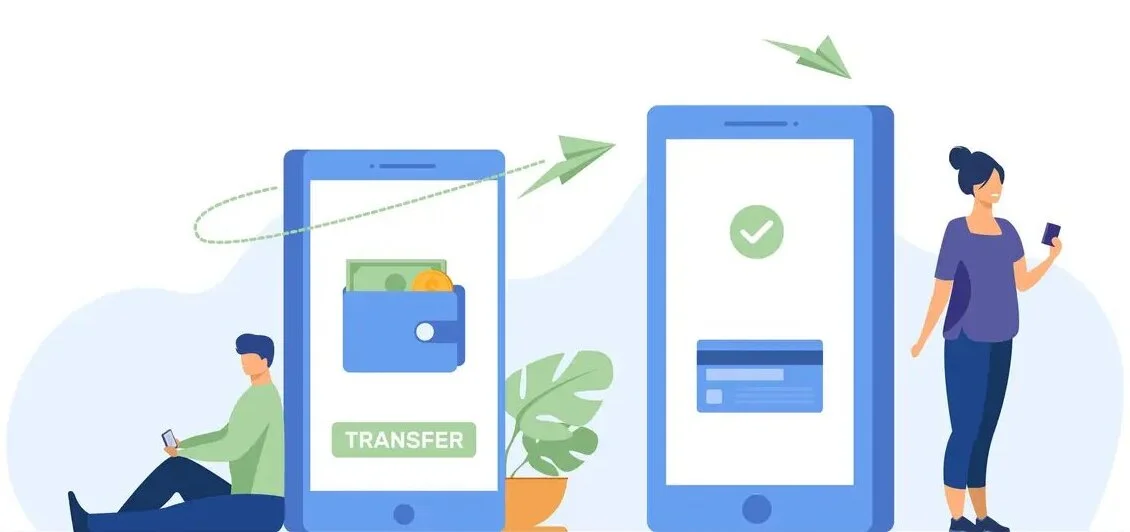
From paying utility bills to transferring money overseas instantly, e-wallet apps have completely changed the game of digital payment. For businesses, the rise of such apps opens up a massive opportunity. But at the same time, it raises one very important question
How much does it cost to develop an e-wallet app?
On average, the development cost of an e-wallet app starts around $40,000. However, the cost rises significantly and can go up to $300,000+ if you’re looking for a full-scale fintech solution. The actual cost will be personalized depending on the app’s complexity, features, and overall development approach.
Stay with us as we reveal all about the development cost of an e-wallet app. From complexity levels to hidden costs, we will discuss the budget from various aspects. So, let’s get right into it!
How Much Does It Cost To Develop An E-Wallet App? – Based On App Complexity
The development cost of an e-wallet app isn’t limited to a singular factor, it is dependent on key aspects. However, understanding the pricing on the basis of complexity levels is always a good starting point.
So, let’s look at how much does it cost to develop an e-wallet app based on its complexity levels.
| App Complexity | Development Timeline | Cost | Cost |
| Basic | 3–5 Months | $40,000 – $80,000 | Simple wallet, peer-to-peer transfers |
| Mid-Level | 3–5 Months | $80,000 – $180,000 | Bill payments, bank integrations |
| Complex | 9+ Months | $180,000 – $300,000 | Full fintech ecosystem, AI features |
Basic E-Wallet App
A basic e-wallet app is usually built with a minimal but very specific purpose. It prioritizes core functionalities that allow users to perform simple transactions. Such apps typically include features like sending and receiving money, basic user registration, and minimal payment integration.
The backend is relatively simple, and most of the processes rely on pre-built systems or third-party APIs. The development timeline of such apps is faster and more budget-friendly. They are ideal if you’re planning to launch an MVP (Minimum Viable Product) and cost about $40,000 – $80,000.
Mid-Level E-Wallet App
Mid-level e-wallet apps aren’t just about enabling transactions. These kinds of apps are far more practical and user-friendly. They allow users to link their bank accounts, track transaction history, receive real-time notifications, and perform utility payments.
Needless to say, to support these features, the app requires a stronger backend infrastructure. The UI/UX design also becomes complicated to ensure smooth navigation and usability. Hence, bringing the development cost between $80,000 to $180,000.
Complex E-Wallet Apps
Now, let’s talk about the complex e-wallet apps, which are basically full-scale fintech platforms. These apps go beyond basic transactions and offer advanced features like multi-currency support, AI-based financial solutions, fraud detection systems, and even high-level encryption protocols.
Moreover, compliance with financial regulations becomes more demanding. This requires additional development effort and expertise. Altogether, these apps fall on the higher end of the cost spectrum, going over $300,000. However, they also deliver significantly higher value, especially in the long run.
Existing Relevant Contents:
How Much Does It Cost To Develop an AR App?
How Much Does It Cost To Develop An Educational App?
How Much Does It Cost to Develop an AI App?
How Much Does It Cost To Develop A Fitness App?
E-Wallet App Features And Their Cost
Even the most well-thought-out app will fail if the features aren’t right. And, these features don’t only determine the success of an app, but also the budget to develop the app.
So, let’s take a look at the key features of an E-Wallet app and their costs. This will further help you understand the price of your own e-wallet app, based on your unique requirements.
| Feature | Main Focus | Development Complexity | Estimated Cost |
| Push Notifications and Alerts | Real-time payment and activity alerts | Low to Medium | $5,000-$12,000 |
| Wallet Balance and Transaction History | Real-time balance tracking and payment records | Medium | $8,000-$18,000 |
| User Registration and KYC Verification | Secure onboarding and identity verification | Medium to High | $10,000-$25,000 |
| Admin Dashboard and Analytics | User management and transaction monitoring | Medium to High | $10,000-$25,000 |
| QR Code and NFC Payments | Contactless or scan-based payments | Medium to High | $10,000-$28,000 |
| Payment Gateway Integration | Card payments, bank transfers, digital payments | High | $12,000-$30,000 |
| Bill Payments and Merchant Services | Utility payments and merchant transactions | High | $15,000-$30,000 |
| Peer-To-Peer Money Transfers | Instant transfers between users | High | $15,000-$35,000 |
| Security and Fraud Detection | Encryption, biometrics, fraud prevention | High | $20,000-$50,000 |
| AI-Based Financial Insights | Spending analysis and smart recommendations | High | $25,000-$60,000 |
Factors Influencing The Development Cost Of An E-Wallet App
Even beyond the features and complexity, several external factors can still influence the final cost. It is important to understand what these factors are and how they influence the development cost of an e-wallet app.
So, here are some of the key factors influencing the development cost of an e-wallet app. This will actually clear up how much does it cost to develop an e-wallet app based on your unique needs.
1. Platform Choice
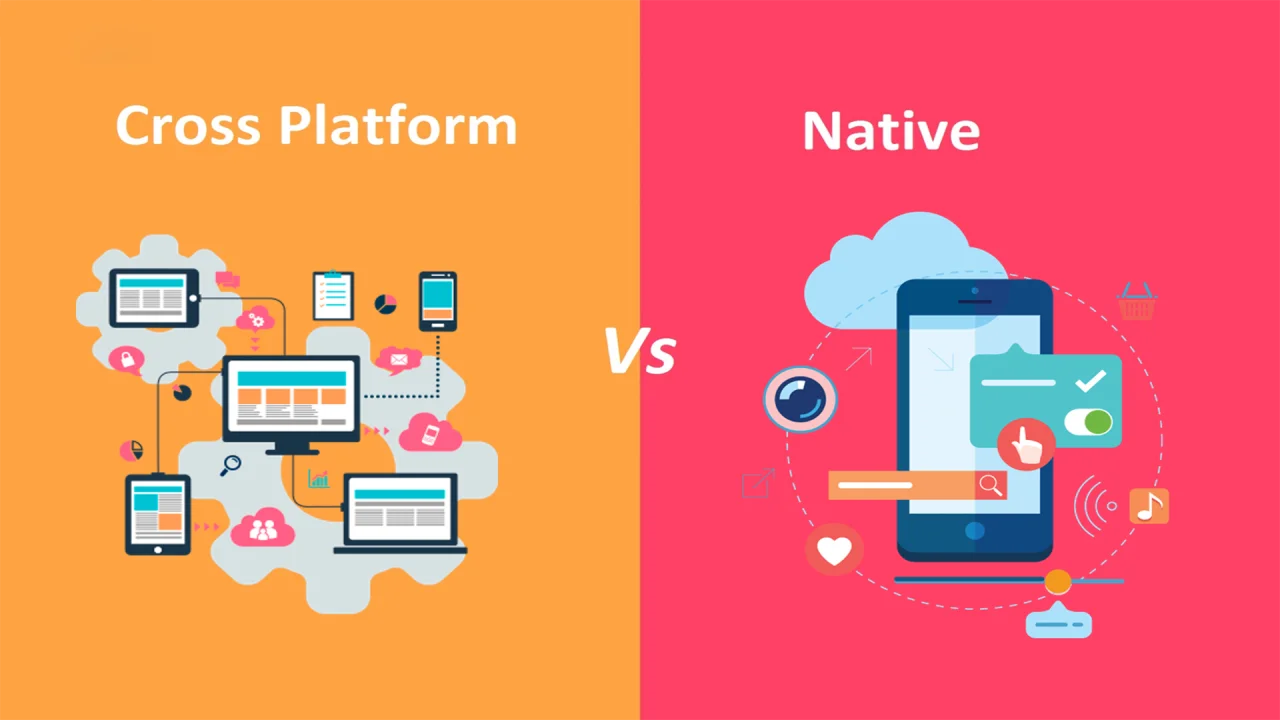
The platform you choose for your e-wallet app, such as iOS, Android, or both, can significantly impact your budget.
Developing for a single platform is more affordable, but it limits your reach to the users. On the other hand, cross-platform development allows you to target a wider audience while keeping costs relatively simple.
However, if you choose to build separate native apps for both platforms, the cost will increase. This is because the development and testing efforts will then have to be doubled.
2. UI/UX Design

In financial apps, user experience plays a critical role. A simple interface consisting of a minimal dashboard may reduce costs, but it might not provide the best user engagement.
On the other hand, a highly interactive and visually polished design requires more time and expertise. However, if you can afford to spend more, you would be providing users with customized dashboards, professional layouts, robust biometric authentication, and so much more.
So, when it comes to building an e-wallet app, striking the right balance between functionality and design is key.
3. Backend Infrastructure
The backend is where all the data processing happens. For e-wallet apps, this includes handling transactions, storing user data, and ensuring real-time synchronization.
If you plan on going for a simple wallet with the key function being basic transfers, the backend would require minimal effort. So, it won’t add much to the overall development cost.
But a strong backend is essential for apps that will thrive on robust performance and scalability. So, if you plan on launching an e-wallet app at an enterprise level, you would have to raise the budget for backend development.
4. Security And Compliance

This is one area where cutting costs is not an option. E-wallet apps must comply with financial regulations and security standards. Implementing these measures requires specialized expertise and rigorous testing.
The more complex your app is, the stronger the security guidelines it will require. So, for example, the app should offer multi-factor authentication for secure payments, unique identifier tokenizations, and even device binding to connect the wallet with a specific device.
Needless to say, implementing various security measures will cost you significantly. The more rigorous it gets, the more you have to add. However, always consider it as an investment, as it will help keep your app running without any interruptions.
5. Development Team
Finally, the cost also depends on who you hire. Simply put, experienced developers or agencies will charge more, but they also bring reliability and expertise. On the other hand, lower-cost options may reduce your initial budget but could lead to higher long-term risks.
However, for a more affordable budget, outsourcing the developers is a great option. You can hire developers to work for your app from regions with low hourly rates, such as from Asia. However, in such cases, you would be limiting the real-life interactions that you would receive from an in-house team.
4 Hidden Costs of developing an E-Wallet App That You Need To Be Aware Of
When estimating the cost of an app, most businesses focus only on the initial development budget. However, that doesn’t give you the complete picture. The same goes for ewallet apps.
The development cost is just one part of the overall investment. Many additional costs aren’t discussed during the initial budget, and they eventually come out throughout the different stages of the development process.
So, let’s break down the hidden costs that you absolutely must consider.
1. Maintenance And Updates
Just like every app, e-wallet apps also require ongoing maintenance to ensure everything runs smoothly. This includes fixing bugs, improving performance, and making sure the app remains compatible with new operating system updates
Other than technical improvements, updates are also necessary to keep your app relevant. Developers have to work on adding new features, refining the existing ones, and overall, improving the user experience.
So, the cost of maintenance and updates is later added to the overall budget depending on the app’s requirements. In most cases, maintenance can cost around 15–25% of your initial development cost annually.
2. Third-Party Services
Generally, e-wallet apps require various third-party services that help them deliver a smooth user experience. These services often include payment gateways, SMS/OTP verification services, analytics tracking tools, etc.
Needless to say, integrating these services comes with a specific cost. However, the expense comes in the form of recurring fees. That means as your user base grows, the demand for these services will also grow, and hence, the costs can increase significantly.
3. Security Regulation
Just like maintenance, security is also an ongoing process. And, this is especially true in the case of e-wallet apps, as they handle sensitive financial data. So, these apps require stronger and more consistent security updates.
It is important for businesses to stay prepared with a dedicated budget for security updates, even beyond the cost of development. Failing to do so can lead to serious consequences, including data breaches, financial losses, and damage to your brand reputation.
4. Compliance And Licensing
Financial apps require a highly regulated environment, and compliance is something you simply cannot ignore. Depending on your target region, your e-wallet app may need to comply with various regulations, such as payment security standards, data protection laws, and financial licensing requirements.
These licenses often involve legal processes, documentation, and approval fees. Moreover, you must understand it’s not a one-time thing. Regulations can change over time, so you will need to update your app and processes accordingly. Thus, further adding to the overall cost.
Partner With App-Concept For Premium E-Wallet Apps
You absolutely can’t compromise on your development team when it comes to developing an e-wallet. It’s not just about the quality of the team. What’s just as important is creating a secure and reliable financial ecosystem.
And this is exactly where App-Concept comes in.
As a leading app development agency in Berlin, App-concept specializes in providing high-performance and truly customized apps based on your needs. Now, you might still wonder what truly sets App-Concept apart from other development teams.
Well, App-Concept works with a client-centric approach, meaning you will be at the center of every process. They start by understanding your business model, target audience, and long-term vision. And then, they create a structured development plan to ensure maximum efficiency at every stage.
Take a deeper look at what App-Concept will do for you.
- Platform-specific development solutions.
- Complete backend support.
- Easy-to-use and engaging interfaces.
- Consistent post-launch maintenance and support.
- Advanced security implementation.
- Industry-specific solutions.
- Modern technologies and AI implementations.
Overall, at App-Concept, your visions for an e-wallet app will be truly prioritized. Instead of just delivering a product, App-Concept will focus on creating the e-wallet of your dreams, and in the process, build a long-term partnership.
So, without further delay, contact App-Concept today!
FAQ
Q. How long does it take to develop an e-wallet app?
Depending on the complexity of the e-wallet app, the development timeline can be anywhere between 3 months to over a year.
Q. Is AI necessary in an e-wallet app?
No, it isn’t necessary, especially if the app has very minimal features. However, implementing AI-based solutions can significantly enhance the overall experience.
Q. What challenges can I face with digital wallet app development?
When it comes to e-wallet app development, security can be a big challenge. It is crucial to ensure secure encryption, fraud detection, and MFA.
Bottom Line
Building an e-wallet app is a significant investment, so it is natural to be concerned about how much does it cost to develop an e-wallet app. Hopefully, you got an in-depth idea on that. However, the specific cost of your personalized e-wallet will always depend on your unique requirements.
To fully understand the cost, you need to envision the many features, integrations, and security regulations for the app.
Always keep the important factors and hidden costs in mind. We believe you will be able to create a robust app that stands out in a competitive market, and that too, at the right price.