
Health applications offer more than just step counting and calories calculation. They can also be used for telemedicine, remote monitoring, medication management, mental wellness, communication with patients, and access to health records. The market value of the digital health industry is currently estimated to be at $347.4 billion in 2025 and to reach around $1.83 trillion by 2033.
So, how to Develop a Health App?
First of all, you should clearly define a health problem and target audience, think about the features of the app, create its simple UX, ensure the app has solid technical foundations, integrate the needed health systems into the app, test your application, and continually improve it after the release.
However, how exactly does that happen? From selecting the right kind of health app to using AI, integrating wearables, and ensuring secure health data transfer, there is quite a lot of things to take care of when it comes to developing a health app. Keep on reading to find out how to do it!
What Is a Health App?

A health app is any software that helps patients, physicians, hospitals, or any other entity within the realm of health to manage, monitor, retrieve, or improve some aspect of health. The use of health apps is driven by their purpose and might include the needs of patients, physicians, hospitals, caregivers, exercise fans, insurance companies, or other entities in the field of health.
Health apps may vary in complexity. While a meditation app may require just content and tracking of progress, a telemedicine platform might require video consultation, secure messaging, appointments scheduling, payments, and patient records management.
The main distinction is that health apps can deal with sensitive information, both from a private life and clinical perspectives. This means that privacy, trust, security, and reliability become as important as a good user interface.
Moreover, the World Health Organization emphasizes the significance of digital health in achieving access, effectiveness, efficiency, quality, and equity in health. Currently, it follows a global strategy to promote digital technologies in health.
Why Are Health Apps Becoming More Important? 10 Key Reasons
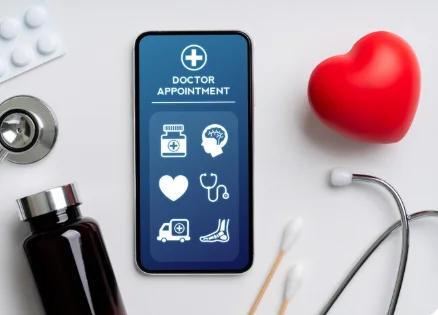
It has become easier for people to use their phones to perform everyday activities. Similarly, the healthcare sector is also adopting mobile technology. But the potential of the use of such technology is much more than replacing the existing healthcare services with the mobile versions.
Mobile health technology can assist people to track their health conditions, access information, communicate with professionals, and get assistance between visits. According to WHO, mobile and wireless technology can be used for transforming the health service delivery process, especially for those patients who suffer from chronic diseases and have difficulties in accessing the services.
What are the motives of business organizations in developing health applications? They include access, convenience, engagement, better data, and more efficient healthcare processes.
1. Access to Healthcare
An efficient application design will help in eliminating unnecessary steps while performing routine healthcare processes. People will be able to book appointments, receive reminders, get information or communicate with professionals without making a call or visiting a healthcare facility.
Digital health solutions can prove to be very useful for those patients who are far away from healthcare facilities.
2. Better Patient Engagement
For instance, healthcare typically needs users to remain engaged for a prolonged time. It pertains to medication management, treatment of chronic diseases, rehabilitation processes, and lifestyle changes.
A health app may help its users to remain engaged in the process using reminders, monitoring their progress, personalized content, notifications, and dashboards.
3. Remote Monitoring of Health Status
Wearable technology and smart devices have opened up some new possibilities to gather health data from sources that are not healthcare facilities.
Depending on what kind of app and device it is, users will be able to share their activity, heart rate, sleeping status, glucose levels or any other measurement with an appropriate service.
4. Better Communication
With the help of a health app, a patient will be able to interact with healthcare providers via secure messages, video conferences, notifications, and appointments.
It will help reduce some frictions between patients and providers since there is no need for the former to call a clinic every time they have a simple question.
5. Better Use of Health Data
Health apps could allow the consolidation of data coming from a variety of sources. These would consist of self-reported information, wearable devices, test results, appointment dates, medications, and possibly even connected health information from various healthcare providers.
But simply having access to more information does not mean value is automatically created. The app should provide an interface that makes the information accessible and actionable to its users and authorized parties.
6. Prevention
Technology can be used to make sure that preventive measures are being taken by patients before things get worse.
Reminder services, health education, screenings, monitoring activity levels, and personal insights are just some of the methods by which users could improve their habits and awareness of their own health.
7. Efficient Health Management Processes
Every single health application doesn’t have to target consumers. There are apps that exist solely for healthcare workers and organizations. These apps can support scheduling, documentation, patient communication, staff workflows, data collection, reporting, and other administrative tasks.
8. Personalized Health Experiences
Modern apps can use user preferences and collected information to create more relevant experiences.
For example, a wellness app might adjust recommendations based on a user’s goals, while a chronic-care app may provide reminders based on an individual’s care plan.
9. Integration With Connected Devices
Smartphones are no longer the only source of digital health information. Smartwatches, fitness trackers, connected medical devices, and other hardware can contribute data to an app.
Apple’s HealthKit, for example, provides a central repository for health and fitness data across Apple devices. Apps must obtain user permission for the specific health information they want to access.
10. A Growing Digital Health Market
The business opportunity is also significant. Grand View Research estimates that the global digital health market will grow from $420.2 billion in 2026 to $1.83 trillion by 2033, representing a projected CAGR of 23.4%.
That growth does not mean every health app will succeed. In fact, it makes choosing a focused problem even more important. A useful app that solves one clear problem can have a stronger chance of gaining trust than an app that tries to do everything at once.
What Types of Health Apps Can You Develop?
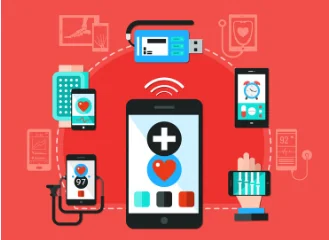
However, before you start developing your product, figure out exactly which solution you wish to provide to your audience as there are specific technical features that each category of apps will need.
From researching competitors, one may notice that there are several major categories of healthcare development guidebooks including telemedicine, patient management, wellness, chronic disease management, recordkeeping, and administration.
Below are the most popular types of healthcare applications among them.
- Telemedicine Applications: These apps allow patients to communicate with healthcare specialists remotely. The functions of such apps may vary from video consultations, secure chats, scheduling appointments, sending digital prescriptions, making payments, and communicating with healthcare specialists.
- Patient Portal Applications: They give users access to healthcare services and information directly from their mobile devices. The functions of such apps include appointment scheduling, medical records viewing, test results reading, prescription receiving, secure communication, and billing information.
- Chronic Disease Management Applications: These applications help patients to manage their health conditions. They allow symptom tracking, medicine reminders, measurements, education content, etc. The exact functionality may significantly depend on the condition being managed and the goal of the application.
- Medication Management Apps: Such apps help people remember about taking medications, count doses, organize their prescription drugs, and give useful information. The more sophisticated apps may be integrated with pharmacies, caregivers, or healthcare professionals.
- Mental Health Apps: Mental health apps can offer a variety of tools such as meditations, mood tracking, journaling, education, therapy, and connections with professionals. As the information concerning the mental state of people is very sensitive, the privacy considerations and users’ trust must be taken into account at the initial development stages.
- Women’s Health Apps: These apps can deal with topics related to menstrual cycle, pregnancy, fertility, reproductive health, or women wellness in general. Due to the fact that such information is extremely sensitive, the consents, privacy controls, and secure storing of the data are mandatory.
- Health and Wellness Apps: The most popular wellness topics are nutrition, sleep quality, exercise, stress management, and good habits. Although such apps may not be regulated by the authorities like medical software, the protection of personal health information is also essential.
- Remote Patient Monitoring Apps: These solutions collect the information from the devices and provide it to users, caregivers, and healthcare providers. Depending on the use cases, the system may involve device integrations, real-time alerts, dashboards, data visualization, and communication.
- Healthcare Provider Apps: Such applications are developed for doctors, nurses, therapists, and other healthcare providers. These apps usually contain patient information, schedules, clinical workflows, communication, documentation, and decision support.
- Health Insurance Apps: These platforms simplify the tasks of looking through the insurance coverage, finding the providers, submitting claims, reviewing the benefits, and communication with the company. Such platforms may involve the integration with existing business systems and strong identification and data security controls.
What Should You Decide Before Developing a Health App?
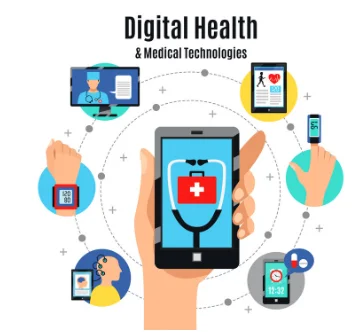
The most widespread mistake is the long list of the features at the beginning of the process. It is much more efficient to learn about the problem and the business and then move forward.
Every study about the development of the healthcare solutions emphasizes the importance of planning, the target audience, and the competitive analysis.
Here are the questions to be answered before developing the product:
- Who are the users of the app?
- What is the health problem to be solved?
- Is it for wellness or clinical use?
- Where will it work (what countries)?
- What health information will be collected?
- Who can access that information?
- Does it need healthcare-system integration?
- Will it connect to wearable or medical devices?
- How will users communicate with professionals?
- How will the business make money?
These decisions affect almost everything that comes later, including the technology stack, database design, security model, user interface, development timeline, and budget.
This is also where an MVP can help. Instead of building every possible feature at once, you can launch with the core functions needed to solve the main problem, gather feedback, and expand the product based on real user needs.
How to Develop a Health App? A Step by Step Guide
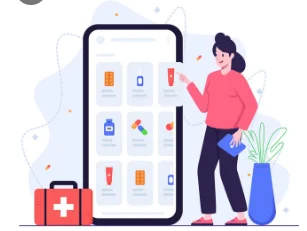
But to develop a health app, one has to consider a lot of aspects, the product itself, its privacy measures, integration with third-party services, and testing major workflows.
So, how to start building a health application from scratch? Here are steps that will give you a comprehensive guide from ideation to post-release optimization of the app.
1. Identify the Problem and the App Target Audience
Begin with the problem your app will solve. Do not try to develop a comprehensive app that will cover all the areas of healthcare. Usually, a focused product is simpler to design, test, explain, and improve.
Here are some examples of questions you should ask:
- Who will use the app?
- What problem does your target audience have?
- How do they cope with it currently?
- What features of your app will encourage users to switch to it?
- Are they patients, doctors, caregivers, fitness users, or healthcare institutions?
You should also determine whether your app is a wellness product, a healthcare service, or a medical software. These categories can be different in terms of claims your product should make, compliance requirements, how you will process the data, etc.
For example, a general wellness app for tracking your activity will have very different features from the app that provides clinical decision support and helps manage patients’ medical records.
2. Research the Market and Competing Apps
Now, after you understand the problem your app solves, it is high time to research the market before designing the product. Find existing apps that solve the same or the similar problem and see what they offer.
However, you should not confine your research to the features only. On the contrary, analyze the onboarding, pricing, reviews, navigation, notifications, accessibility, customer support, and overall user experience.
Ask yourself the following questions:
- What features do users love in competitive products?
- What features are not good enough?
- Where do users complain about the experience?
- What features do the competitors have in common?
- What important problem does remain unsolved?
- How do competitors earn money?
- Why do users continue to use their app?
Such a research can give you an understanding of the niche of your product instead of building just another app on the existing market.
3. Choose Your Core Features
Having learned about your users and competitive landscape, transform the problem into the list of practical features.
Do not add every feature you can think of. Prioritize the functions that directly support the main purpose of the app. This is especially useful when creating a minimum viable product, or MVP.
Depending on your health app, core features may include:
- User registration and login
- Personal health profiles
- Health data tracking
- Appointment booking
- Medication reminders
- Push notifications
- Secure messaging
- Video consultations
- Health reports
- Progress dashboards
- Wearable integration
- Payment processing
The right combination depends on your use case. A telemedicine app may need video calls and appointment management, while a wellness app may focus more on tracking, goals, and personalized content.
A good rule is simple: every feature should have a clear reason to exist.
4. Plan Privacy, Security, and Compliance
This is one of the crucial phases of health application development. Health-related data is private, so security cannot be an afterthought during the process of creating an app.
First, determine which types of information the app will collect, how it will store, what parties will have access to it, and under what conditions it can be shared.
You may also need to analyze applicable regulations and standards. For instance, health apps used in the USA will require you to adhere to HIPAA requirements, while solutions aimed at European audiences may require consideration of GDPR.
Also, your development team should plan:
- Data encryption
- Secure authentication
- Role-based access
- Permission management
- API communication security
- Audit logs
- Data retention policies
- Backup and recovery
- Vulnerability testing
- Privacy settings
The exact set of security measures depends on the specifics of the product, its location, users, and the types of data used in the solution. Compliance is therefore better planned at an earlier stage than in post-development phase.
5. Develop Simple and Accessible Interface Design
Healthcare can be complicated itself. Your application shouldn’t make things even harder. Users must understand how to proceed with actions without studying the user interface. Keep the navigation simple, use common design patterns, and minimize the number of steps required to achieve some goal.
Accessibility is another aspect worth considering. Your users may vary by age, abilities, health condition, technical skills, and willingness to use digital products.
In the design phase, create wireframes and prototypes before starting the development process. Test essential flows like registration, appointment booking, entering health-related data, getting test results, and contacting a provider.
A good healthcare interface makes users feel informed, supported, and in control.
6. Select the Appropriate Technology Stack
Technologies you use should suit the current needs of your application but allow for scaling in the future.
Depending on the project, developers may decide on native technologies like Swift for iOS and Kotlin for Android or cross-platform technologies like Flutter or React Native.
The backend may use Node.js, Python, Java, .NET or any other technologies depending on the specifics of the project. Databases may be PostgreSQL, MySQL, MongoDB, or any other databases.
Selecting the technology stack depends on many factors like:
- Required platforms
- User volume
- Presence of real-time communication
- Device integration
- Security requirements
- Healthcare API support
- Budget
- Maintenance
There isn’t a universal technology stack that can be applied to all kinds of healthcare applications. The architecture should be selected around the product rather than around a developer’s favorite technology.
7. Integrate Health APIs and External Systems
However, many health applications will have to communicate with some other services. Creating all necessary sources of data from scratch may be unnecessary and complicate the project even further.
For instance, an application on iOS may utilize Apple’s HealthKit framework to get access to the approved health and fitness data. The data provided by HealthKit is granulated and users control what types of data an application may access.
Android products may connect with some other data services related to health and fitness, while healthcare solutions will need to communicate with EHR systems, laboratories, pharmacies, insurance providers or devices.
To exchange clinical data, there is a FHIR, healthcare interoperability standard intended to provide electronic exchange of healthcare information.
The most important thing is to integrate only the systems that your product actually needs. Each new integration means additional development, testing, security and maintenance.
8. Develop the Backend and Mobile App
After designing and planning architecture of the product, the development process can start.
The frontend is responsible for all interactions that the users will have. The backend provides such features as authentication, business logic, databases, notifications, APIs, permissions and other services used within an app.
In case of a health platform, the backend should be carefully planned since different users may need different levels of access.
For example, a patient will be able to see only his/her own data, while an authorized healthcare provider will be allowed to access particular patient’s data. Administrators will need a completely different dashboard where they could manage users, content, appointments or reports.
That is why a healthcare product development is not only about creating beautiful mobile screens. The backend architecture has to meet security, stability, scalability and controlled access requirements.
9. Testing before launch
Testing has to take place during the development process, not just at its end.
Health app can consist of many interconnected workflows. An issue related to login, notifications, data sync, appointments or any other external API can influence the user’s experience.
Here is what the testing process can include:
- Functional testing
- UI testing
- Usability testing
- API testing
- Security testing
- Performance testing
- Device testing
- Accessibility testing
- Integration testing
- User acceptance testing
Pay particular attention to failure scenarios. What happens if the internet connection disappears? What happens if a wearable stops sending data? What happens if a user denies permission? What happens if an external healthcare service becomes unavailable?
Apple’s HealthKit documentation, for example, notes that users can change their health-data permissions and may grant limited access. Apps therefore need to handle different authorization states rather than assuming access will always be available.
10. Launch, Monitor, and Improve
However, launching an app is just the beginning of the development process. There will be a lot of work after the release.
After launch, monitor crashes, performance, reviews, user behavior, feature utilization, support queries, and other metrics.
Based on this information, you will know what needs to be fixed, improved, removed, or added.
Such metrics may be the following:
- Downloads
- Registration completion
- Daily and monthly active users
- Retention rate
- Feature utilization
- Appointment completion
- Subscription conversion
- Crash rate
- Support queries
- Satisfaction level
It is especially important to have regular updates in case of health apps since requirements regarding OS, third-party API’s, security and users’ expectations will keep changing.
Existing Relevant Contents:
How To Develop An Educational App?
How to Develop a Social Media App?
What Features Should a Health App Have?
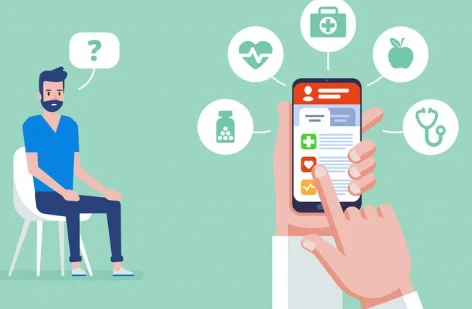
The Cost of a Health App and its different features are two things you should always keep in mind before going to develop it.
A feature set largely depends on the kind of the product you develop. However, there are certain features that are included in most successful health platforms.
Before including all those, you should ask yourself whether each of them contributes to your core use case. Sometimes it is better to have a simple app that does its job well than a very busy app that is trying to do everything.
1. User Registration and Profile Management
Users should have an option to register and manage their profile securely. Depending on the product, the profile may contain information about the user (basic info, health goals, preferences, allergies, medications etc).
Collect only the information which is needed for the app. Demanding too much of personal data can be not only problematic in terms of privacy but also annoying for users at the onboarding stage.
2. Data tracking
Data tracking is useful for wellness apps, chronic disease management apps, rehab apps and any other health-related products. Users will be able either to manually enter information or get it from connected devices. Then it should be shown in an understandable way so users could track trends, not only numbers.
3. Appointment Booking
If it is a healthcare app, it should provide an opportunity to schedule appointments. The user can look through available options, choose provider and get reminders. In case of a provider-oriented product, the feature should also have calendars, scheduling and re-scheduling options.
4. Telemedicine
In case of remote care, the consultation via video and audio can be the core of your product. The experience should have connection handling, clear consent flows, context of appointment, secure communication and proper controls for patients and providers.
5. Medication Reminders
Medication features can aid in remembering scheduled medications and tracking adherence to one’s routine.
Depending on the particular product, users will need lists of medications, reminders about refills, dosage instructions, and other similar notifications. Still, the design should prevent users from seeing the application as a tool replacing professional medical advice unless this product is intended and regulated for this use.
6. Secure Messaging
Secure messaging can help patients communicate with healthcare professionals without using ordinary messaging channels. Message history, message attachment options, notifications, message read status, permission management, as well as appropriate controls regarding data retention, might be needed.
7. Health Reports and Dashboard
A dashboard can help collect vital information in one place. Charts, trends, summaries, and notifications should be clear and concise. Do not fill screens with technical details that users will not be able to understand.
8. Wearable Integration
Integration with wearables can make health tracking easier by eliminating data entry manually. On Apple-based platforms, HealthKit can give access to appropriate health and fitness data types, provided the users give necessary permissions.
9. Notifications
Notifications can facilitate reminders, appointments, medication schedules, new messages, and other notifications. Still, many notifications can easily become irritating. Users need control over their preferences when it comes to notifications and every message needs to have value.
10. Payments
If there are paid consultations, subscription or membership fees, prescriptions, or any other type of payments in your app, you may need to include a payment flow. Payment flow should be convenient and safe for the user. It will depend on specifics of the business model, target audience, and chosen payment providers.
How AI Can Improve a Health App
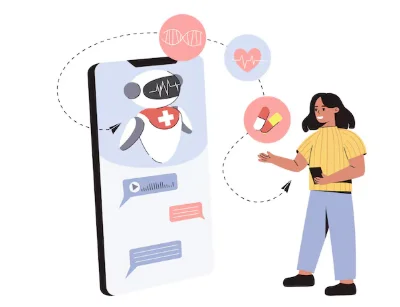
Artificial intelligence becomes more helpful in various aspects of digital health care. Still, its application should be well-thought-out.
Depending on the product, AI can enhance its such functions as personalization, symptom checker, health summary, conversation bot, administrative tasks, or pattern recognition.
For example, AI can help users of the health app in finding information in it or in summarizing non-diagnostic health data in a simple way.
Still, just adding AI just because it is trending is not always a good decision. In case when the AI function affects the clinical decision-making process, provides the clinical recommendation or processes health information, the health app may need a more complex technical, legal, safety and regulatory analysis.
So the most useful question here is not “How can I use AI in my health app?” but “What user problem can AI solve better than any other feature?”
How App-Concept Can Help Develop a Health App

Now you probably have a better idea of what it takes to create a health app. But transforming the idea into a scalable, safe and user-friendly product requires a qualified technical team.
Here is where App-Concept comes in handy. The services of app development provided by App-Concept include all the main steps of the digital product creation process: planning and design, development, testing and improving.
Depending on your project needs, the development team can assist in:
- Custom mobile app development
- Cross-platform and native app development
- UI/UX design
- Backend development
- API integration
- Testing and quality assurance
- Maintenance and updating of the app
The development process of the health product should be tailored to your particular users’ needs, data requirements, integrations and business needs. With a professional technical team, you will be able to build a product that suits your needs and not vice versa.
Frequently Asked Questions
Is it possible to develop a health application without any medical experience?
Yes, although you may need to involve healthcare professionals or other subject-matter experts to get their input on the product’s appropriateness.
How long does it take to create a health application?
It depends on the project scope. The creation of the MVP can take much less time than building a platform with such components as telemedicine functionality, integration with other healthcare systems, multiple user roles and advanced data functionality.
Do I have to develop an iOS and an Android version of my health application?
It depends on your target audience and budget. If the audience uses both types of devices, then it might be beneficial to support both versions to reach as many users as possible. Otherwise, a single-platform release could help you validate the product’s idea first.
Can a health application use smartwatch information?
Yes. The number of opportunities varies depending on the type of device and OS. There are frameworks like Apple HealthKit that provide access to approved health and fitness information provided by users.
Does every health application need to be HIPAA-compliant?
No, not necessarily. HIPAA regulates covered entities and relationships with them in the USA. Whether your product falls under the purview of HIPAA regulation or not depends on what the app does and what information it processes.
Can a health application store medical records?
Yes. Storing and exchanging clinical information adds complexity to the development process. If your product is supposed to work with clinical information, you have to plan the architecture of your product taking into account all additional requirements.
Should I develop a health application as an MVP?
In many cases, MVP approach might be the right choice since it will allow you to test your core concept among the users without spending money on the whole feature set.
Can AI be used in a health application?
Yes. However, depending on the purpose, using AI in a health application will carry different risks. For instance, an application with a recommendation engine for wellness-related articles is very different from the one with a clinical AI engine.
How can I make my health application more accessible?
Use clear language, readable text, strong contrast, simple navigation, accessible controls, and support for relevant device accessibility features. Test the product with people who have different needs rather than assuming one design works for everyone.
What should I measure after launching a health app?
Track meaningful product metrics such as activation, retention, feature usage, completed appointments, engagement, crashes, support requests, and user satisfaction. The right metrics depend on the purpose and business model of the app.
Bottom Line
Mastering the process of developing a health application is just one half of the story. For a good product, it is essential to be purposeful, to have an efficient UX, good security, advanced technology, useful integration features, and a strategy of future evolution. Health applications demand more attention than regular consumer applications due to the fact that they can involve very sensitive data.
Regardless of whether you create a fitness application, telemedicine system, patient portal, or any other kind of health application, it should be developed in accordance with your users’ needs and preferences. Together with your partner in development and a good product strategy, you can make your idea turn into a reliable digital health product.